Basic, Broad or Special - What's The Difference?
Lisa Broadbent • December 10, 2021
Senior Couple On A Boat β€” Newark, DE β€” Lisa Broadbent Insurance Inc

What's the Difference Between Basic, Broad and Special Form Insurance Coverages?


When you're shopping for the best value for your personal or commercial insurance requirements, you may notice that some insurance coverages specify “basic” coverage, while others may offer “special” or “broad” coverage. The differences are significant and when trying to make an apples-to-apples comparison, you want to carefully consider your risks and the price.

Starting with the Basic Form of insurance coverage, a policy that offers basic peril coverage is ONLY going to cover the insured for named perils. That means, if an event that isn't actually named in policy happens, there's no coverage. You're on your own for any losses that aren't specifically named. The named perils covered in the Basic Form include the following:

  • Fire
  • Lightning
  • Windstorm or Hail
  • Explosion
  • Smoke
  • Vandalism
  • Aircraft or Vehicle Collision
  • Riot or Civil Commotion
  • Sinkhole Collapse
  • Volcanic Activity

At first glance, it may appear that the list of basic form coverage will take care of just about anything that can happen. It isn't until you look at what a broad form offers that one begins to realize what's missing and why it's important to know what you're buying.

As probably anticipated, the Broad Form is more encompassing than the Basic Form coverage. The Broad Form is built to cover everything the Basic Form, and the most common perils expected. In the Broad Form insurance policy, you will also see the following coverages:

  • Burglary/Break-in damage
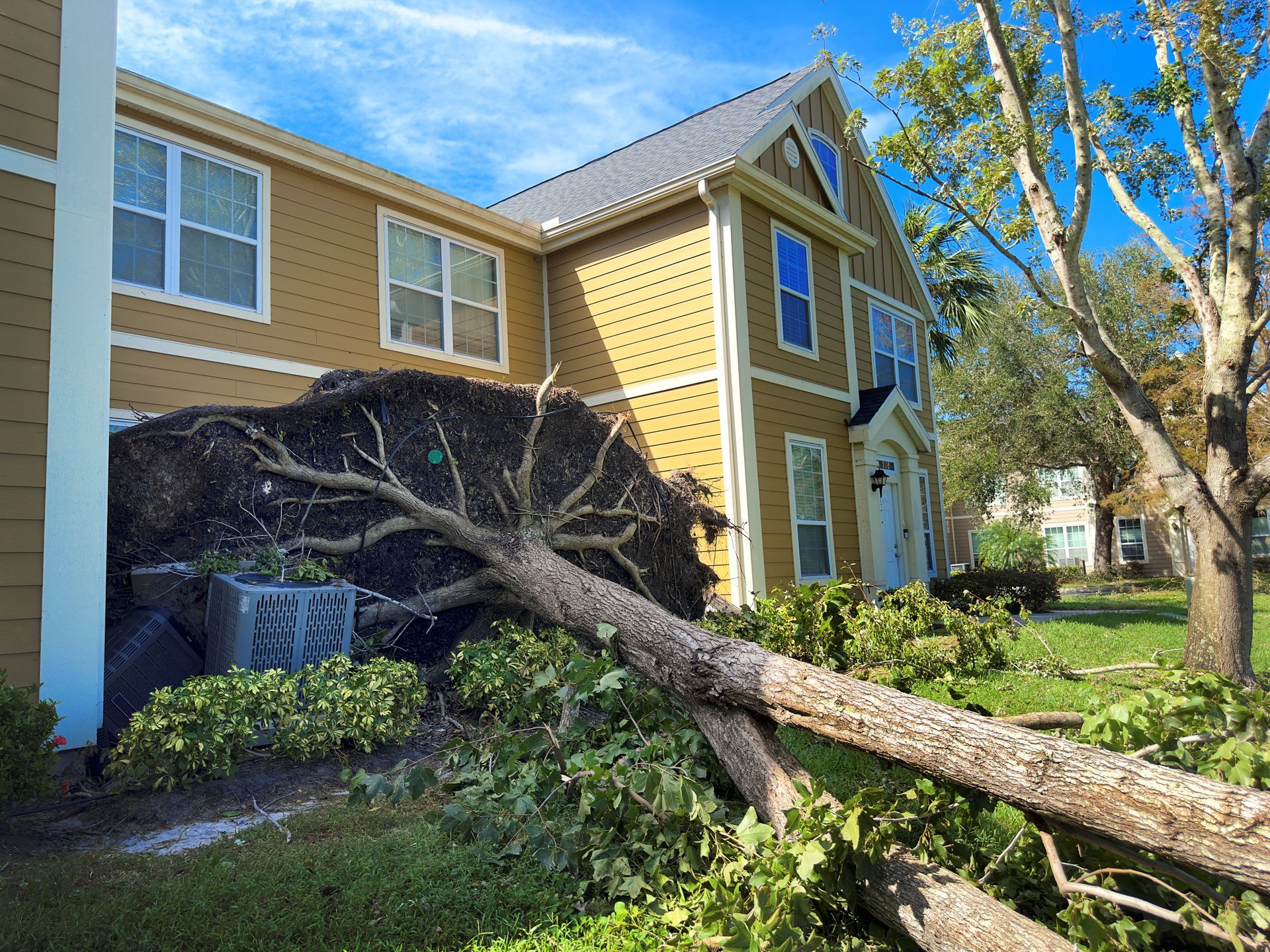
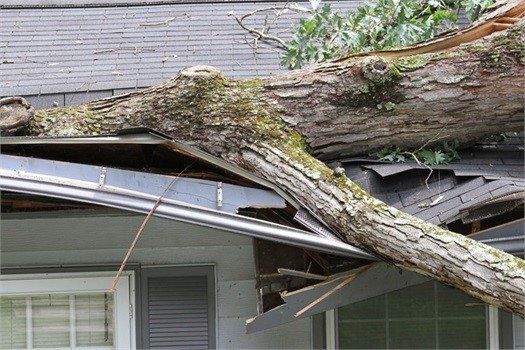
  • Falling Objects (like tree limbs)
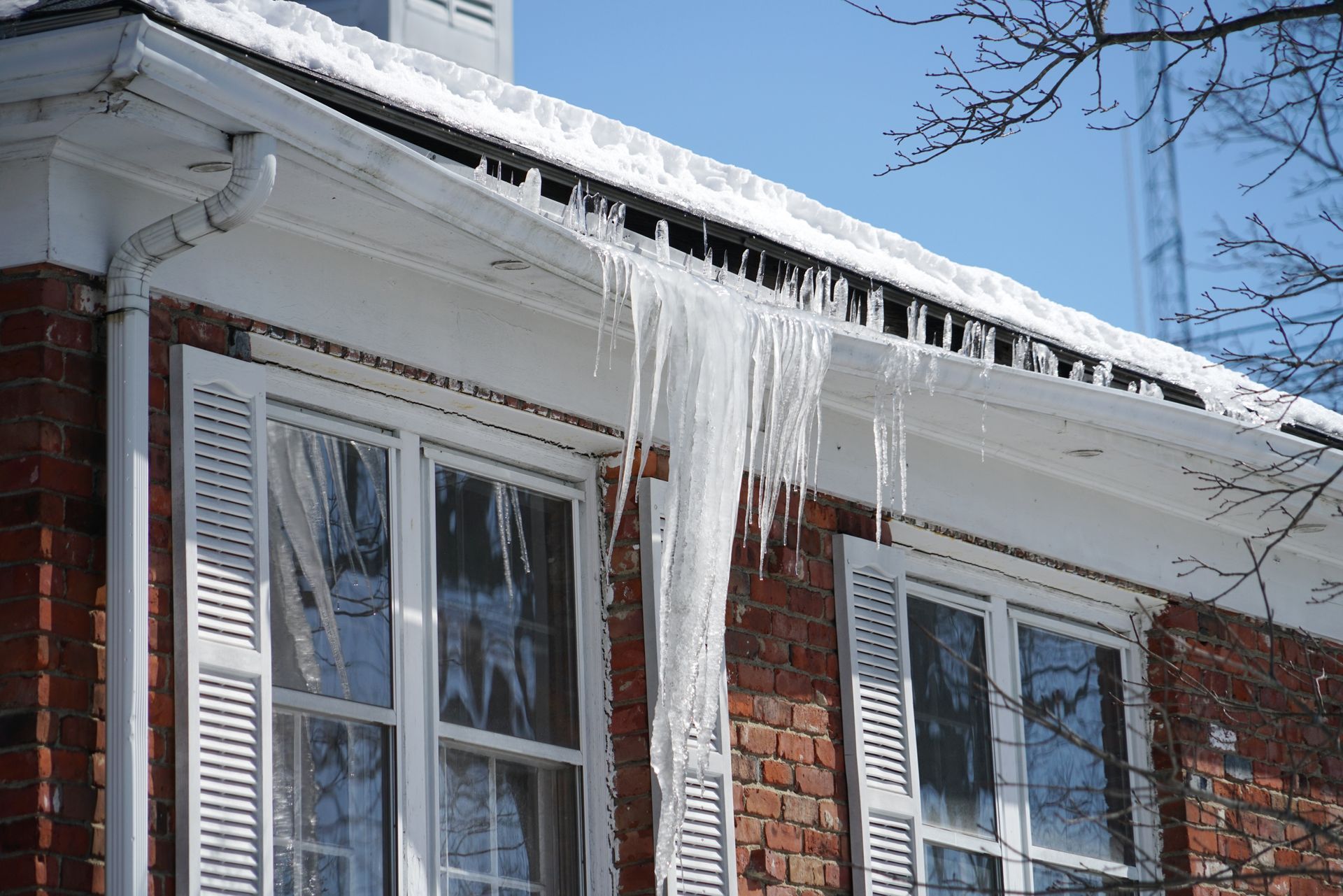
  • Weight of Ice and Snow
  • Freezing of Plumbing
  • Accidental Water Damage
  • Artificially Generated Electricity

It's important to note that both Basic and Broad Form coverage policies only cover a specific set of named perils. In other words, if it's not named as a cause of loss, it's not covered.

The most expansive form of insurance coverage is Special Form. In policies that use the special form type of coverage, instead of the perils covered being listed, the EXCLUSIONS are listed. In other words, unless the policy states a peril isn't included, it's included and your potential loss is covered. Usually, but not always, the special form is the one you want to buy. This is especially so if you're not prepared to examine all the possible perils that may happen to your assets and evaluate the potential that they may happen in relation to the cost of coverage and your budget. Because it is more comprehensive coverage, many companies will require that your property has certain updates. Companies look for things like when the roof was replaced and when the plumbing, electric and HVAC systems were last updated.

Not everything is included in the Special form though. Depending on your location and type of risk, the exclusions may be highly material to you. For example, flooding is a common exclusion. That may not matter if you don't face a flood risk, but for many, it's the most important coverage you want. Common exclusions may include:

  • Ordinance of Law
  • Earthquake
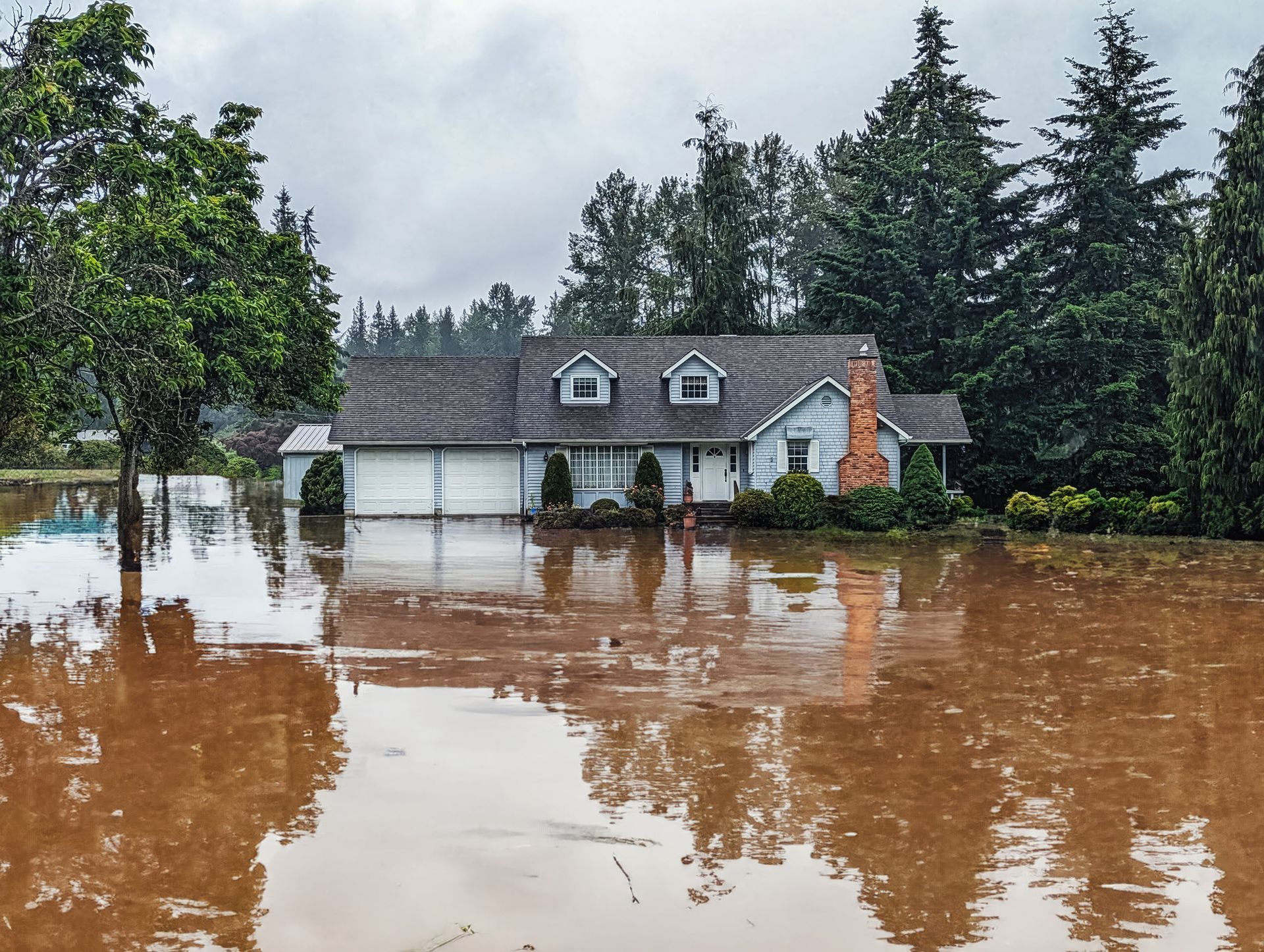
  • Flood
  • Power Failure
  • Neglect
  • War
  • Nuclear Hazard
  • Intentional Acts

One "sleeper" risk is earthquakes. Many people don't realize that they're close to a fault line because they haven't experienced an earthquake that they could feel. Chicago and New York residents may believe earthquakes only happen in the sunshine state of California, but they would be wrong. the New Madrid fault zone in the heart of America extends from Arkansas, Illinois, Indiana, Kentucky, Mississippi, Missouri, and Tennessee. Chicago is included and just because it's sleeping, doesn't mean it's not going to wake up at any moment.

In 1968, an earthquake that was felt in 23 states and damaged property in Chicago and it's estimated that a chance of a magnitude of 6 or higher has a 90% likelihood of happening before 2055. The point being, that just because you think a risk is unlikely, doesn't make it so. It's very dangerous to simply assume based on personal experience that a risk isn't possible.

Flood insurance is another type of coverage that many dismiss without careful consideration. Most people wrongly believe they don't live or work within a flood zone. Because of updates in our ability to understand flood risk, locations are no longer considered within or outside of a flood zone. Any given location is rated based on its risk of flooding. That's a good thing because over 20% of property that becomes flooded wasn't considered within a flood zone previously.

What’s the bottom line? You can be sure that by working with an agent at Broadbent Insurance, you’ll have the expert advice you need to make a decision on the type of coverage you should have. If you make the mistake of buying insurance based on cost instead of coverage, you're likely to wish you didn't, and at the worst possible time.



By Lisa Broadbent January 5, 2026
Taking precautions to prevent ice dams is an important part of preparing your home for winter weather. Knowing what an ice dam is , minimizing the conditions that allow one to form and removing an ice dam as soon as you spot one can help prevent serious damage to both the roof and the inside of your home. Take action before snow starts falling An ice dam may develop during the cold winter months if warm air from your home or attic melts snow on your roof. In freezing temperatures, the melted snow may refreeze once it reaches the colder edge of the roof. Keeping the temperature of your attic at 32°F or below can help prevent snow from melting and ice dams from developing. The following are some steps you can take to help prevent the snow melting-and-freezing cycle that often causes ice dams: Insulate your attic. Be sure your attic is properly insulated to help prevent warmth from escaping through ceilings. Whenever possible, an insulation value of R-40 is recommended. Prevent air leaks. Check and seal any openings where warm air or heat could escape into the attic, such as insulating or caulking around vent pipes, exhaust fans, chimneys, attic hatches and/or light fixtures. Improve ventilation. Increase the number or size of attic, roof or soffit vents that allow cold air to circulate and flush warmer air out during the winter. Install a water-repellent membrane. When replacing the roof covering, install a water-repellent membrane underneath the shingles. This acts as an extra barrier that helps prevent water from seeping inside the building should an ice dam form. Tips to help prevent ice dams through the winter Ice dams can sometimes form despite your best efforts to keep your roof at the proper temperature. Be sure to monitor the weather and maintain your roof throughout the colder winter months for additional protection against ice dams, such as: Clear gutters and downspouts. Prevent water from accumulating and possibly freezing in your gutters by cleaning leaves, debris and snow accumulation from in and around gutters and downspouts. Making sure that your gutters are properly pitched can also help prevent the collection of water in low spots and help reduce the potential for ice buildup in gutters. Remove snow accumulation from your roof after every storm. Whenever possible, use a roof rake to clear snow about three to four feet from the edge of your roof soon after each storm. Snow accumulation along the edge of your roof increases the likelihood of an ice dam developing, which prevents water from draining off the roof. This water can then back up underneath roof shingles and make its way into your home. Remove ice dams as soon as you spot them. Check your roof often and know how to help identify and remove an ice dam. CAUTION: Avoid using a ladder in snowy and icy conditions. This can be extremely dangerous and is best left to the professionals. For questions or concerns about insurance to protect your home’s roof, please contact us at 302-731-0044 , or email lisa@broadbentins.com . Our agents and staff are available Monday-Friday, 8 a.m. to 5 p.m. ET, with the exception of holidays.
Hands forming a protective gesture over a wooden car model placed on an insurance document.
November 27, 2025
Lisa Broadbent Insurance, Inc., in Hockessin explains why your auto insurance policy needs a yearly review. Call 302-731-0044 or click here to learn more.
A businessman covering a toy car with his hands, symbolizing auto insurance protection and care.
November 4, 2025
Discover trusted auto insurance in Hockessin from Lisa Broadbent Insurance Inc. Contact 302-731-0044 for expert and professional local coverage today!
By Lisa Broadbent July 18, 2025
Check your hurricane insurance coverage today.
By Lisa Broadbent June 6, 2025
Why aren't homeowners buying flood insurance? They may believe one of these myths.
By Lisa Broadbent February 8, 2025
The Dress, The Date, The Hair, The Music, and what to do after… all things that are on your teen's mind before the infamous prom night. Driving is usually not an important component in a teen's mind, but for parents it can be a big worry. Many parents often overlook the need to have honest discussions with their teens about safe driving and avoiding alcohol and drugs. Statistics show that prom and graduation season—the months of April, May and June—are the most dangerous time for teens. One-third of the alcohol-related traffic fatalities involving teens each year occur during those months. Here's an honest and teen-friendly guide to sharing concerns with your teen for one of the most important nights of their adolescent career. Many parents often overlook the need to have honest discussions with their teens about safe driving and avoiding alcohol and drugs. Have a good time. Explain to your teen that you want them to have fun and enjoy themselves. Just don't drink. Years from now, they will laugh when looking back at prom, but not if they don't remember the night. Relate it to your prom. Explain to them what you did right or wrong and what the consequences were. Don't be afraid to tell them the truth if you made some bad judgment calls. This can only help them to feel that you are human and that you regret those decisions and don't want them to make the same. Remind them of their future. High school is a great time, but they have their whole future ahead of them. Don't ruin that by drinking or doing drugs on Prom night or any night. Immature vs. Mature. Your teen may think that drinking or doing drugs and driving is what the grown-up thing is to do. Explain to them that is the most immature and irresponsible decision they could make. Being mature is about making the right decision and keeping your future in sight. Drive safe! If they are driving, make sure that they understand the responsibility of driving on Prom night. Share these six tips with your teen: Wear seatbelts. Don't speed. Be a defensive driver. Not everyone on the road is going to be as safe as you, watch out for other unsafe drivers. Don't drink or do drugs. This impairs judgment for driving and could potentially end in a fatality. If you do make a mistake, or find yourself in an uncomfortable situation, call your parents immediately. They will respect you for being mature enough to see the danger and making the right call. Don't ride with anyone who has been drinking or doing drugs. This takes your life out of your hands. Pay attention to the road while driving. Don't get distracted with cell phones, radio, or passengers. Driving is a very important responsibility and shouldn't be taken lightly. Teenage drivers have the highest crash risk of any age group and it's largely due to driver error. According to the American Academy of Pediatrics, one in four crash fatalities involve someone 16 to 24 years old, nearly twice as high as other age groups. Don't let your teenager be a statistic. Talk with your teen and communicate the importance of safe driving on Prom night and every night. ο»Ώ Your safety is number one to us. If you want to make sure you have the right insurance coverage for your teen driver, you can contact the insurance team at Lisa Broadbent Insurance at (302) 731-0044 today to get an evaluation and free quote. Stay safe wherever you choose to go on the road.
By Lisa Broadbant January 8, 2025
Stay safe on the roads this winter with essential driving tips from Broadbent Insurance. Learn how to prepare your vehicle and drive confidently in snowy conditions.
By Lisa Broadbent December 3, 2024
Learn practical tips on how to avoid hitting a deer and ensure your safety on the road. Broadbent Insurance provides essential advice for drivers.
Hurricane Destroying a House - Newark, DE - Lisa Broadbent Insurance Inc
By Lisa Broadbent November 8, 2024
Hurricanes can be especially disastrous because of the many hazards they present; such hazards include high winds, hail, flooding, heavy rainfall and tornadoes. Taking Precautions To avoid a claim, be proactive. Clear any debris from your gutters, trim hazardous branches, and remove or secure any outside personal property that could blow away or strike the building. Make sure the roof and flashing are in good condition; if old or worn, replace the roof before a storm hits — most problems occur with roofs that are old, brittle and deteriorated. Have multiple sets of contact information, in addition to your policy number, ready if you need to report a claim. Know what responsibilities you have under the policy. Back up all sales and accounting records off premises. Check alarm system batteries to ensure that they are working. In the event of an evacuation, lock and secure the premises. Be mindful that you may need to document damages and take pictures. Prior to any loss, photograph and/or videotape your building and business personal property. Keep one copy of the photographs/videos on hand and the other off premises. To report a claim, call the claims department of the insurance company or our office directly at 302-731-0044 . Flooding You can never be too cautious. If your property is located near a river, a creek or a stream, consider moving your computer and other electrical/electronic equipment to the second floor. If that’s not possible, place the equipment on a desk or a shelving unit. Consider covering the equipment with tarps in case water comes through the roof. Also, if your property is a dwelling rented to tenants, please advise them in advance to be safe by checking outside water levels often during a storm. If it is unsafe to go outside, have them ask a neighbor who has an easy view of the water to be on the lookout. You can also check real-time water flow data for your area online. In addition, please do not drive onto a roadway or area with flooding. First, you don’t know the depth of the water. Floods waters look shallower than you think, and it only takes 6 inches of water for your vehicle to float away. Please think twice before you need help getting to safety. Having a Plan If you do not already have an evacuation plan, an emergency response plan or a flood emergency response plan for your property, create one as soon as possible. The best way for residents to prepare for a hurricane is to do so before hurricane season arrives: Locate evacuation routes and shelters Store water and canned food Put a first aid kit together Know where your flashlights and batteries are located For information about utility shutoff safety, preparedness tips for pet owners and people with disabilities, flood safety awareness and insurance, instructional preparedness videos and more, visit ready.gov. For information specific to hurricane weather, visit the National Weather Service’s Hurricane Center. If you need help with insurance needs related to your property and hurricanes, contact a licensed, experienced insurance professional at Lisa Broadbent Insurance at (302) 731-0044 to discuss your options. Thank you for your support and business. At Broadbent Insurance, we are always here to help. We hope you find this information helpful. Please be safe.
Home Insurance - Newark, DE - Lisa Broadbent Insurance Inc
By Lisa Broadbent October 1, 2024
Though factors relating to a home’s construction and replacement cost, claims history and the insured’s credit-based insurance score may be significant, there are other factors considered in setting rates that may surprise you. Type of home insurance policy: There are several different types of home insurance available, which differ in terms of benefits, perils covered, cost and kinds of homes that qualify for coverage. Talking with a licensed insurance agent may be useful to help you understand the different types of home insurance policy types and which may be right for you. Distance from water: Flood zones play a key role in whether you need flood insurance. If you have a federally backed mortgage, like an FHA and your home is in a high-risk flood zone, you’re required to have flood insurance. Distance from a fire station: Wherever you live, the premiums you pay for home insurance are likely to be impacted by the proximity of your home to a fire department and fire hydrant. The closer you are to a fire station and hydrant, the greater the likelihood a fire can be quickly extinguished, and severe damage or complete destruction of your home averted. The insurance industry generally uses the Fire Suppression Rating Schedule (FSRS) from the Insurance Services Office ISO) to determine your home’s fire risk. Dog breed: Having pets, especially certain dog breeds and exotic animals, may also impact your rates or even your eligibility with some companies. Some companies will simply raise your rates to account for the increased ‘bite risk.’ Even if your dog isn’t a ‘restricted breed’, a bite history could also impact your rate or ability to get coverage. However, if you are disabled and have a service animal or emotional support animal with specialty training, discuss this with your provider to see if a lower cost or discount will apply. Attractive nuisances: If you have attractive nuisances or items on your property that could be potentially dangerous and appealing — especially to children — like a pool or trampoline, you will likely see higher homeowners’ insurance costs or eligibility restrictions. Many home insurers will not insure your property if you have a trampoline or a diving board for your swimming pool. This is just a snapshot of some of the more common factors that affect your home insurance rates. There are many factors that may affect homeowners’ insurance premiums, including ones that might not be mentioned. How do endorsements affect your home insurance premium? Adding endorsements to your policy typically raises your insurance premium because you’re getting more robust coverage. The cost to add endorsements varies by endorsement type and insurance provider. In many cases, the cost of an endorsement will depend on your personal rating factors. For instance, if you add a scheduled personal property endorsement to cover valuables like jewelry, the cost to add the endorsement will be based on the value of the items you’re insuring. Although adding endorsements may raise your premium, the enhanced coverage might save you significant out-of-pocket costs if you experience a covered peril. Here are some common endorsements or additional policies that may be beneficial to homeowners: Flood insurance: Flood insurance is typically excluded from standard home insurance policies. Although some providers offer flood insurance as an endorsement, flood insurance usually comes in the form of a separate policy purchased from the National Flood Insurance Program (NFIP) or a private insurer. Even if you don’t live in a high-risk area for floods, you may still consider flood insurance. According to the Insurance Information Institute (Triple-I), 90 percent of all natural disasters in the U.S. involve flooding, and flood damage strikes frequently in low or moderate risk areas. Flood insurance is typically a requirement if you have a mortgage, and your house is in a flood plain. Earthquake insurance: If your home is near a fault line or area where mining or fracking is done, you may want to add earthquake insurance. This type of endorsement typically covers damage caused by a seismic event. However, many insurance providers specify a time after the event. For instance, your policy might note that only damage within 72 hours of a seismic event is covered. Even if you don’t live near a fault line, you might consider earthquake coverage. The National Association of Insurance Commissioners states that 42 states are at risk of experiencing an earthquake. Umbrella policy: These policies are intended to supplement your personal liability coverage. Liability coverage helps pay for legal expenses and medical costs if someone is injured on your property or you are liable for damage to someone else’s property. If you decide that your liability coverage does not provide enough financial protection, an umbrella policy could help increase your coverage. An umbrella policy may make sense if you have a high net worth, have an attractive nuisance on your property, regularly host parties at your home or simply want a greater level of liability protection for your home and vehicles at a reasonable cost. Sewer backup policy: Sewer backup insurance is not automatically covered by a homeowners insurance policy. Having this added as an endorsement to your insurance policy will help protect you financially if you experience a sewer or water backup that damages your home or belongings. There may be other options you may want to add. Speak to a licensed, experienced insurance professional at Lisa Broadbent Insurance at (302) 731-0044 to discuss optional coverages and additional policies to help create a robust insurance package for you and your home.
Show More